



Gate assessment
Certified integrator documents your existing gate hardware, controller model, wiring, and entry point layout.

Beta access
This site is private. Enter the team password to continue.
Vivo’s gate entry devices control vehicle and pedestrian access at every perimeter entry point — QR, mobile credential, license plate recognition, and remote override — all managed from one dashboard, all logging every event automatically.
Most gate systems do one thing: open when something is presented to the reader. A fob. A clicker. A card. They don’t know who’s presenting it. They don’t log the event with identity. They don’t expire when a resident moves out. And they definitely don’t send the property manager a notification when an unauthorized vehicle tries to tailgate through.
Vivo’s gate entry devices change that relationship entirely. Every vehicle that passes through a Vivo-controlled gate is identified, logged, and verified against an active credential. Residents enter in under 10 seconds. Visitors scan a pre-registered pass. Unauthorized vehicles are stopped — not just inconvenienced.
The standard gate entry device. QR and NFC credential reading for pedestrian and vehicle gates. IP65 weatherproof. IK08 vandal-resistant. Works in direct sunlight and low light.
QR reader combined with full HD video intercom in one unit. Visitor presses call — resident answers on smartphone. Resident scans in without stopping.
License plate recognition camera for vehicle gate automation. Resident’s plate registered to unit. Gate opens automatically on approach. No phone. No scan. No stop.
QR code, mobile credential, NFC, PIN, and license plate recognition — all supported simultaneously. Residents choose. Management doesn’t have to.
Resident vehicle plates registered to unit from the dashboard. Gate opens automatically on approach. Unregistered plates logged and flagged for management review.
Configurable for vehicle-only, pedestrian-only, or combined entry points. Gate timing and hold-open duration set per entry point from the dashboard.
Property manager opens any gate remotely from the dashboard — for deliveries, emergencies, or contractor access. Every override logged with operator identity and timestamp.
LPR model detects multiple vehicles passing on a single credential scan. Management notified automatically. Event logged with timestamp and image.
Credential cannot be used to enter twice without exiting first. Prevents credential sharing at vehicle gates without additional hardware or configuration.
Vivo gate devices connect to existing gate controllers via dry contact relay — the universal interface supported by every major gate controller brand.
No controller replacement required in most installations. No gate motor replacement. No gate arm replacement.
A certified integrator confirms compatibility during the free on-site assessment.
Property manager or resident registers vehicle plate to unit from the dashboard. Multiple plates per unit supported — primary vehicle, secondary vehicle, family members.
LPR camera reads plate at approach speed — up to 25 km/h. Recognition occurs before the vehicle reaches the gate arm.
Registered plate — gate opens. Unregistered plate — gate stays closed, event logged, management notified. Every approach logged with plate image and timestamp.

High-visibility entry point requiring both visitor video intercom and resident QR speed. Vivo Gate Intercom Panel — the recommended deployment for primary community entrances.
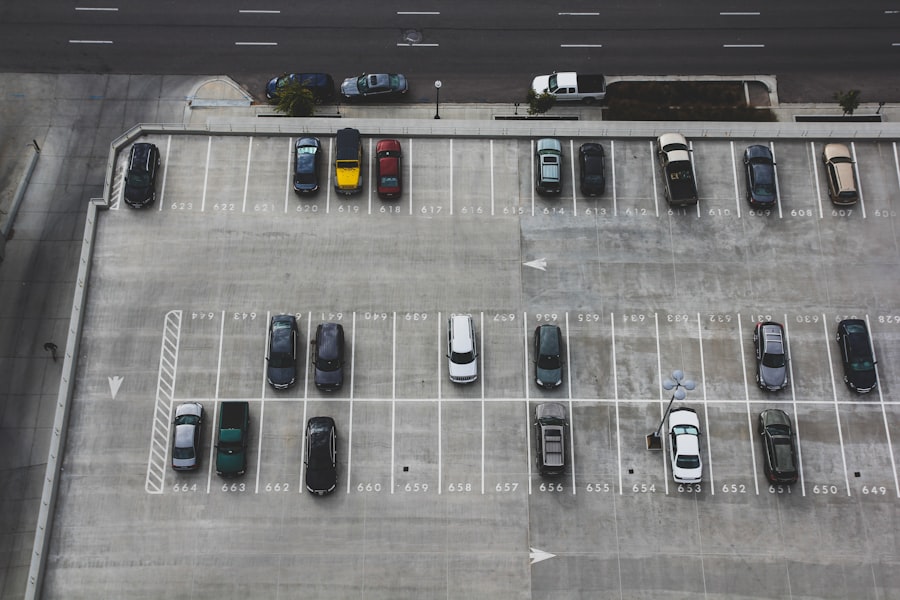
High-volume entry where speed matters. LPR for residents who prefer hands-free entry. QR for visitors and residents without registered plates.

Compact QR reader at pedestrian gates, amenity entries, and secondary access points. Single-cable installation. Under two hours per point.

LPR for tenant-registered vehicles. Visitor QR passes for validated parking. Time-based access for contractor vehicles. Every entry and exit logged.
"We replaced a clicker system that had 400 active clickers — half of which belonged to people who no longer lived here. Vivo gave us a gate that knows exactly who’s coming through. The clickers are in a bin somewhere."

"License plate recognition at the gate means residents drive right in. The radios, the fobs, the clickers — all gone in a weekend."

"Zero controller swaps, no gate motor work. Vivo just plugged into what we had — the integrator was off-site by lunch"

"I can pull any gate entry by plate, unit, or time of day in seconds. The board stopped asking for incident reports because they can run them themselves."

Book a demo. A certified integrator will assess your gate hardware, confirm compatibility, and recommend the right device combination for your entry points — with a proposal within 72 hours.


